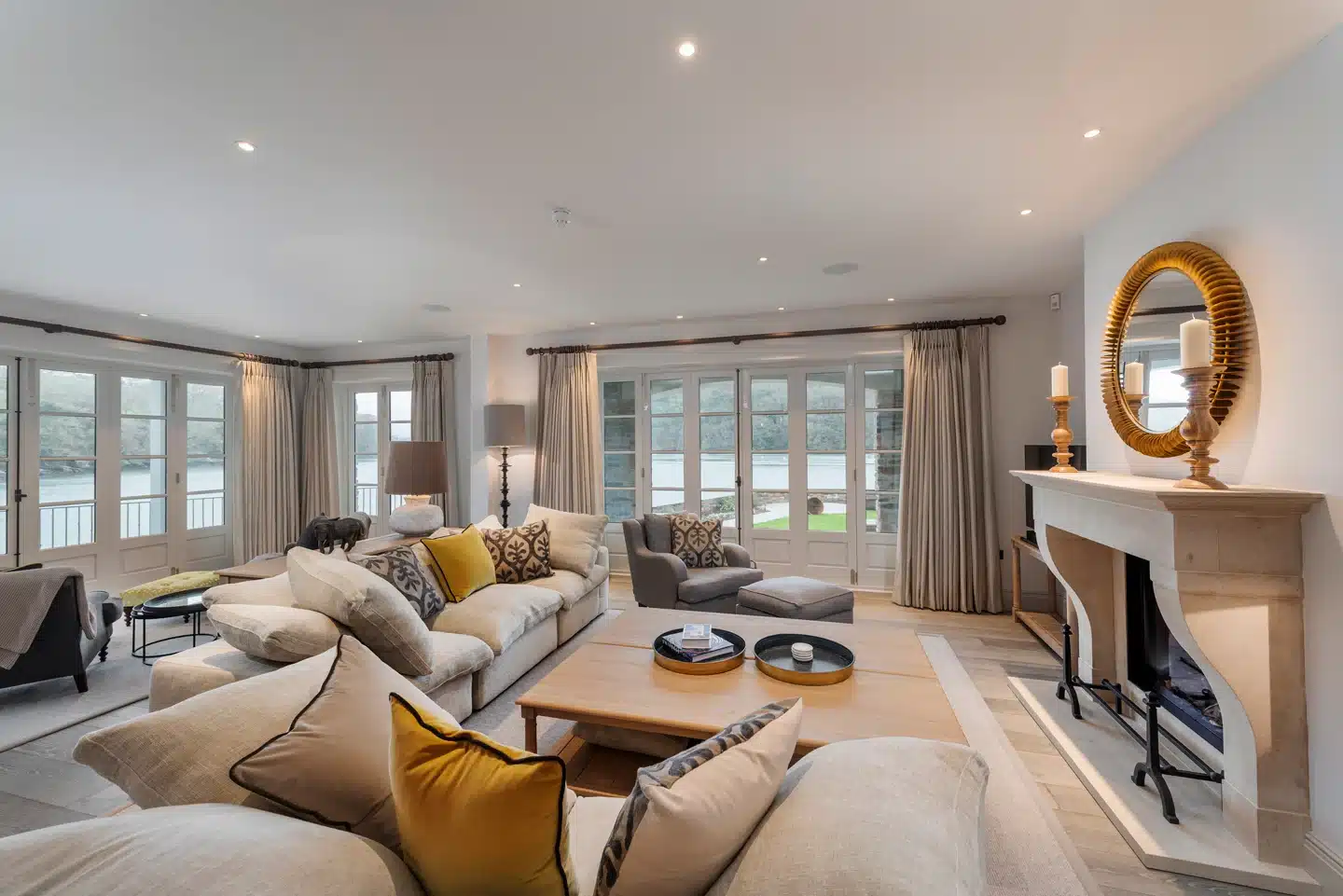
We’ve changed the nature of light — and we’re only just realising it
For most of human history, light came from two sources:
The sun… and fire.
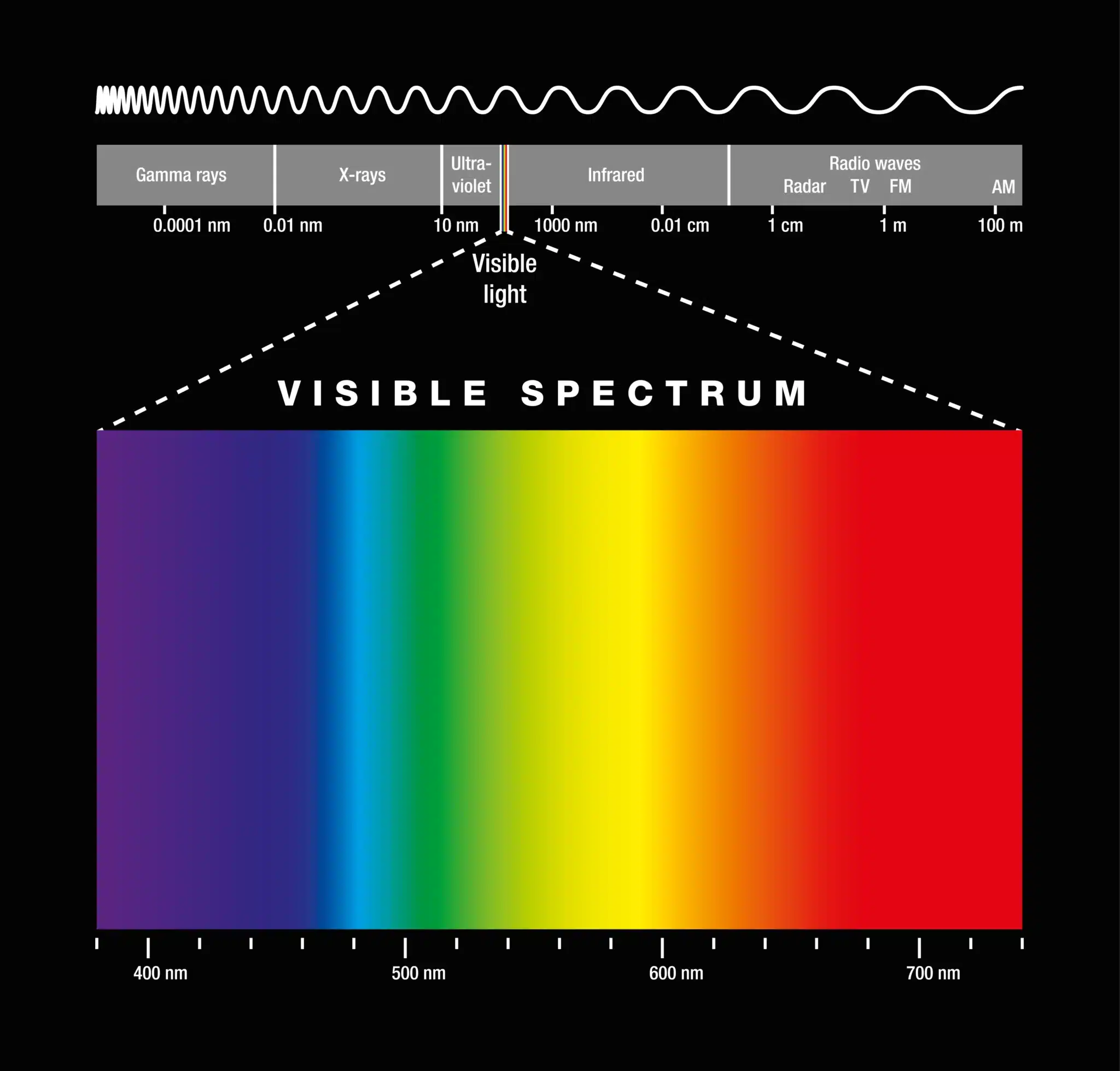
Both are rich, full-spectrum sources, containing not just visible light, but a significant amount of red and infrared energy — wavelengths we don’t consciously see, but have always lived under.
Today, that’s no longer the case. The benefits of infrared light are only just beginning to be understood
Modern lighting — particularly LEDs — has reshaped the spectrum around us. It’s more efficient, more controllable, more refined.
But in the process, we may have removed something quietly important.
👉 A layer of light our bodies have always relied on.
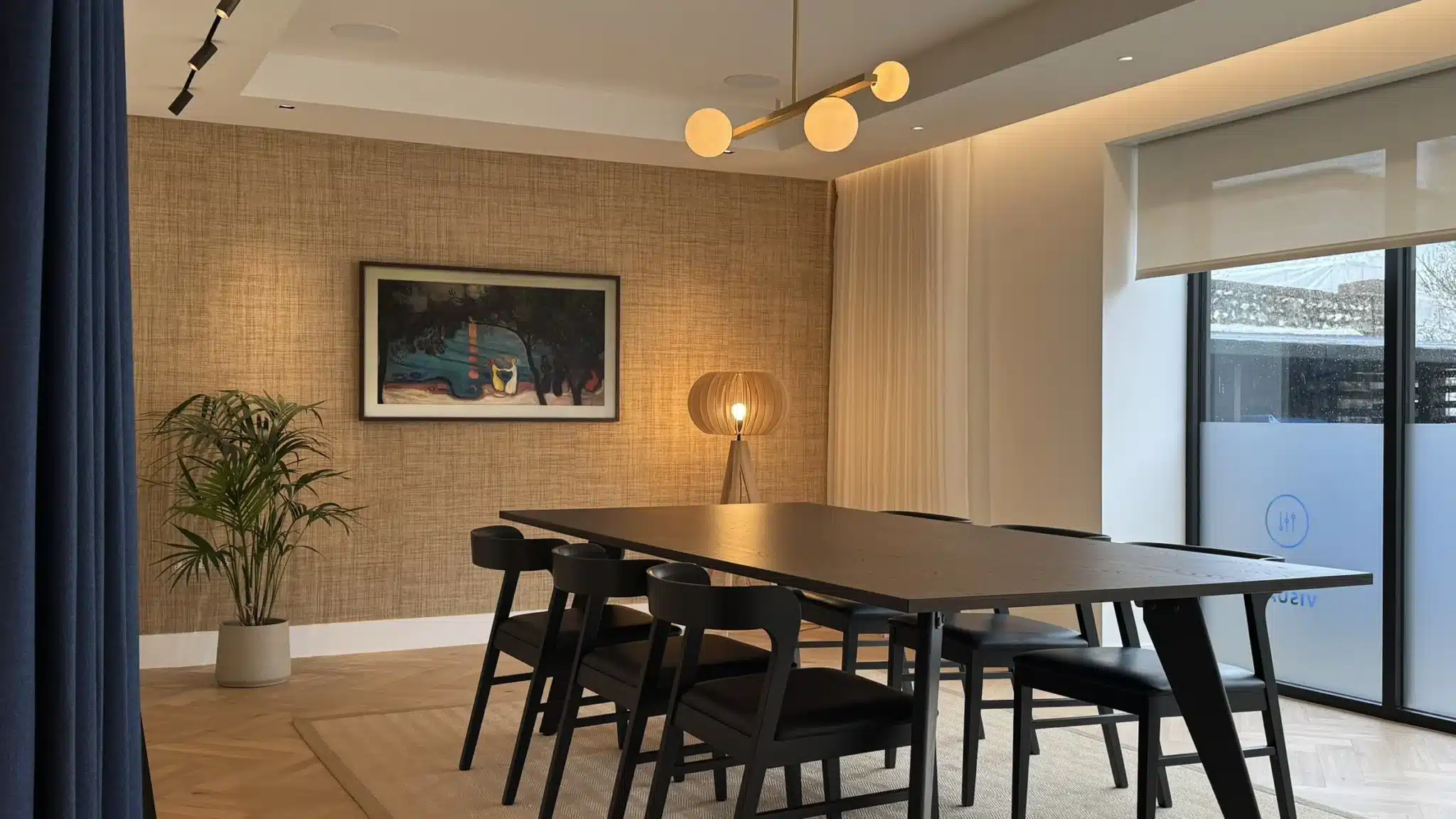
Light as a biological input
Light isn’t just visual — it’s biological.
For almost all of human evolution, we were exposed to a continuous, balanced spectrum. Bright, full-spectrum daylight by day, and warm, fire-based light after sunset. Both shared a defining quality: a strong presence of red and near-infrared wavelengths, and very little blue light after dark.
At a cellular level, these longer wavelengths interact with mitochondria — the structures responsible for producing energy within our cells.
Emerging research suggests that infrared light can support energy production, help regulate oxidative stress, and contribute to overall cellular resilience.
Light doesn’t just help us see.
It helps power the body itself.
From sunlight to firelight: a spectrum we evolved with
This wasn’t occasional exposure — it was constant.
By day or by night, the light we lived under was spectrally rich and heavily weighted toward longer wavelengths.
It’s only very recently that this changed.
The shift to modern lighting
Electric lighting — and particularly LEDs — has transformed what’s possible in lighting design.
They offer exceptional efficiency, long lifespans, and a level of control that was unthinkable just a generation ago.
But most standard LED sources focus almost entirely on the visible spectrum. They tend to be weighted toward shorter, blue wavelengths, with very little — if any — infrared output.
Compared to both sunlight and firelight, this is a fundamentally different type of light.
What LEDs changed - and what they left behind
LEDs were designed for vision, not biology.
In refining light for efficiency and clarity, the longer wavelengths simply fell outside the brief. It’s not a flaw — it’s a consequence.
But it does mean that modern environments are missing something that was once always present.
We're indoors more than ever
At the same time, our lifestyles have shifted.
We now spend the vast majority of our time indoors, much of it under artificial lighting. Even natural daylight is often reduced or filtered through glass and architecture.
The result is that, for large parts of the day, we’re exposed to a narrower, more limited version of light — often without that consistent background layer of infrared.
Why this matters
This is still an emerging area of research, but the direction is becoming increasingly compelling.
Studies suggest that environments dominated by shorter, blue-heavy wavelengths can place greater demand on cellular systems. In contrast, red and infrared light appear to support mitochondrial function, energy production, and broader physiological balance.
It’s not something we consciously notice.
But it is something we’re exposed to — continuously.
Infrared light and mitochondrial function
At a cellular level, mitochondria are responsible for producing energy.
When they function efficiently, the body performs better. When they’re under stress, that efficiency can drop.
The emerging theory is that infrared light supports this process, acting as a subtle, consistent input our biology is adapted to receive. Remove that input, and the system may simply have to work harder to achieve the same result.

Rethinking lighting design
This isn’t about rejecting modern lighting.
It’s about understanding it more fully.
Because the question is no longer just how a space looks, but how it supports the people living within it.
That shift encourages a more considered approach — integrating natural daylight wherever possible, favouring warmer and more balanced spectra, and recognising light not just as a visual tool, but as a biological influence.
A more complete approach to light
At Light & Shade, we’ve always believed that lighting should feel natural, comfortable, and quietly supportive of the space.
What’s becoming clear is that “natural” isn’t just aesthetic — it’s physiological.
For most of human history, light had a depth and richness we rarely replicate today.
We’ve become very good at lighting spaces beautifully.
Now we have the opportunity to light them more completely.
The takeaway
Modern lighting has given us incredible control.
But in refining light for efficiency and visual clarity, we may have simplified something that was never meant to be simple.
Infrared light — abundant in both sunlight and firelight — is part of that missing layer.
Invisible, but not insignificant.
And as lighting design continues to evolve, the opportunity is clear:
👉 Not just to recreate how light looks
👉 But to restore what light does